.png)


Floatation Therapy: Benefits of Float Therapy and Insights

If you’ve ever felt like you just need to hit the pause button on life, floatation therapy might be exactly what you’re looking for. Imagine lying in a warm, quiet tank filled with saltwater that lets you effortlessly float. No distractions, no noise, just you and your thoughts—or maybe no thoughts at all. Sounds pretty relaxing, right? Well, that’s the magic of floatation therapy, and today I’m diving into what makes it so special, the benefits it offers, and a few things to keep in mind before you take the plunge.
What Is Floatation Therapy?
Floatation therapy, sometimes called sensory deprivation therapy, involves floating in a specially designed tank filled with water saturated with Epsom salt. The water is heated to skin temperature, so you feel weightless and almost invisible to your senses. The tank is soundproof and lightproof, creating an environment free from external stimuli.
The idea is to give your body and mind a break from the constant bombardment of sensory input we deal with every day. When you float, your muscles relax, your mind slows down, and your body can enter a deep state of rest. It’s like a mini-vacation for your nervous system.
The Benefits of Float Therapy
Now, let’s talk about why so many people are turning to floatation therapy. The benefits are pretty impressive and backed by growing research. Here are some of the top perks you can expect:
1. Deep Relaxation and Stress Relief
One of the biggest draws of float therapy is the profound relaxation it offers. When you’re floating, your body releases less cortisol, the stress hormone, and more endorphins, which are natural mood boosters. This combination helps reduce anxiety and promotes a calm, peaceful state.
2. Pain Relief and Muscle Recovery
If you’re dealing with chronic pain, muscle soreness, or recovering from an injury, floatation therapy can be a game-changer. The buoyancy takes pressure off your joints and muscles, allowing them to relax completely. Plus, the Epsom salt contains magnesium, which can help reduce inflammation and muscle tension.
3. Improved Sleep Quality
Struggling with sleep? Floating can help reset your body’s natural rhythms. Many people report falling asleep faster and enjoying deeper, more restorative sleep after a session. It’s like giving your brain a chance to reboot.
4. Enhanced Creativity and Mental Clarity
Without distractions, your mind can wander freely or focus deeply. Some floaters find that their creativity spikes after sessions, and they come away with fresh ideas or solutions to problems. It’s a unique way to clear mental clutter and boost focus.
5. Meditation Made Easy
If you’ve tried meditation but find it hard to quiet your mind, floating can help. The sensory reduction makes it easier to enter a meditative state without the usual distractions. It’s like meditation on steroids, but without the effort.
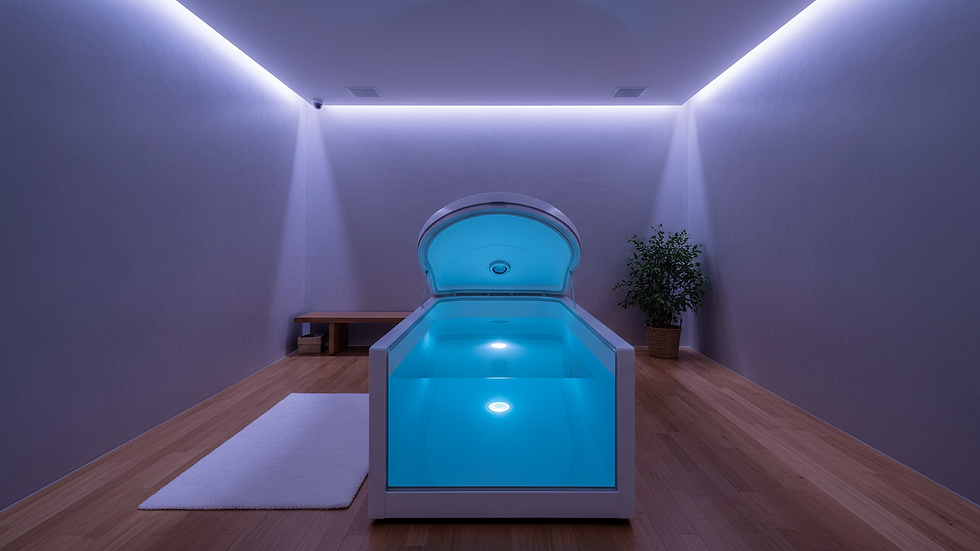
If you want to explore more about the floatation therapy benefits, there’s plenty of detailed info available to help you understand how it can fit into your wellness routine.
What Are the Disadvantages of Float Therapy?
Of course, no therapy is perfect for everyone. Floatation therapy has some downsides you should consider before booking your first session.
1. Claustrophobia and Anxiety
If you’re claustrophobic or prone to anxiety, the enclosed space of a float tank might feel uncomfortable or even trigger panic. Some centers offer open float rooms or larger tanks, but it’s something to be aware of.
2. Cost and Accessibility
Float sessions can be pricey, especially if you want to go regularly. While many places offer packages or introductory deals, it’s not always the most budget-friendly option. Also, float centers might not be available everywhere, so accessibility can be an issue.
3. Hygiene Concerns
Although reputable float centers maintain strict cleaning protocols, some people worry about hygiene. The water is filtered and sanitized between sessions, but if you have open wounds or skin infections, it’s best to wait until you’re healed.
4. Not Ideal for Everyone
Pregnant women, people with certain medical conditions (like epilepsy or severe skin conditions), or those with heart problems should consult a doctor before trying float therapy. It’s always better to be safe and get professional advice.
How to Prepare for Your First Float Session
If you’re curious and ready to try floatation therapy, here are some tips to make your first experience smooth and enjoyable:
Avoid caffeine and heavy meals before your session. You want to be relaxed and comfortable.
Shower before entering the tank to keep the water clean and remove oils or lotions.
Use earplugs if you’re sensitive to water in your ears or want to block out any residual noise.
Wear comfortable clothing to and from the center, but you’ll be floating without clothes in the tank.
Set an intention for your float. Whether it’s relaxation, pain relief, or mental clarity, having a goal can enhance your experience.
What to Expect During and After Floating
When you first get into the tank, it might feel a bit strange. The water is warm, and the salt makes you buoyant, so you’ll float effortlessly. It’s normal for your body to take a few minutes to adjust. You might hear your breathing or your heartbeat more clearly because external noise is gone.
Many people find their minds wander or enter a meditative state. Some even fall asleep! Sessions usually last about 60 to 90 minutes, and after you get out, you’ll likely feel refreshed, calm, and maybe even a little euphoric.
It’s a good idea to take it easy after your float. Drink water, avoid rushing into stressful activities, and enjoy the lingering sense of peace.

Why Floatopia Is Your Go-To Spot on Long Island
If you’re on Long Island and looking for a place to try floatation therapy, Floatopia is a fantastic option. They offer a welcoming environment with clean, modern tanks and a variety of relaxation and recovery therapies. Whether you’re new to floating or a seasoned pro, their team is there to guide you through the process.
Plus, Floatopia hosts special events and introductory offers, making it easier to experience the benefits without breaking the bank. It’s all about helping you de-stress, recover, and feel your best.
Ready to Give Floatation Therapy a Try?
If you’re craving a break from the chaos and want to experience deep relaxation, pain relief, or mental clarity, floatation therapy might be just what you need. It’s a unique, soothing experience that can fit into your wellness routine in a big way.
Remember, it’s normal to feel a little unsure before your first float, but once you try it, you might find yourself coming back again and again. So why not take the plunge and see how floating can help you recharge?
Feel free to explore more about the floatation therapy benefits and book your session today. Your mind and body will thank you!


Comments