


Discovering Floatation Therapy Wellness: A Journey to Deep Relaxation

Have you ever wished for a way to truly escape the noise and stress of everyday life? Floatation therapy might just be the answer you've been looking for. Imagine lying in a warm, quiet tank filled with saltwater, floating effortlessly, free from distractions. Sounds pretty amazing, right? Well, that's exactly what floatation therapy offers—a unique path to relaxation and wellness that’s gaining popularity for good reasons.
Why Floatation Therapy Wellness is Gaining Popularity
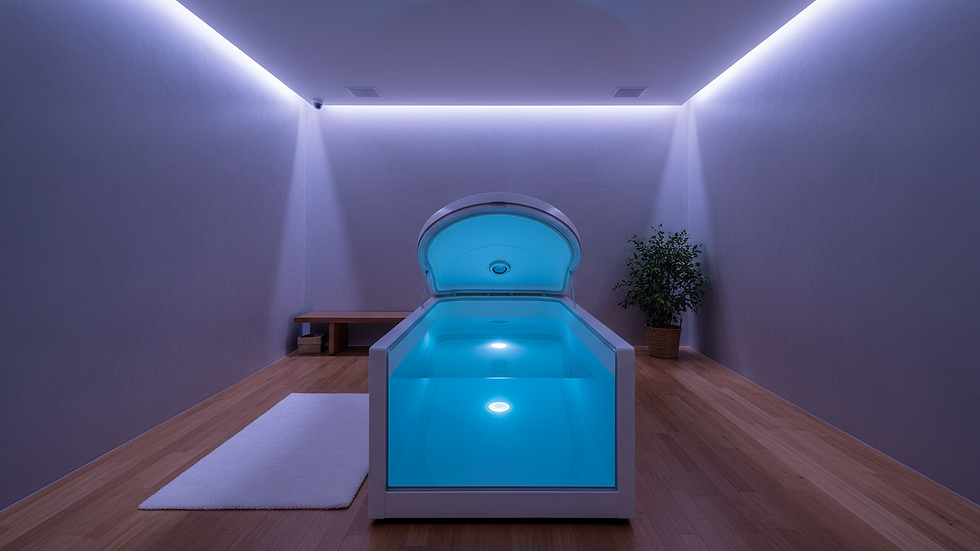
Floatation therapy wellness is all about creating an environment where your body and mind can completely unwind. The therapy involves floating in a specially designed tank filled with water saturated with Epsom salt. This high salt concentration makes you buoyant, so you float on the surface without effort. The water is kept at skin temperature, and the tank is soundproof and lightproof, creating a sensory-free experience.
This setup helps reduce sensory input, allowing your brain to enter a deeply relaxed state. Many people report feeling like they’ve had a full night’s sleep after just one session. Plus, the therapy is non-invasive and drug-free, making it a natural way to recharge.
If you’re curious about how this works, think about the feeling of weightlessness you get in a pool or the ocean. Now, imagine that feeling without waves, cold water, or distractions. That’s the core of floatation therapy wellness.

The Science Behind the Floatation Therapy Benefits
You might be wondering, what exactly makes floatation therapy so beneficial? Well, the science behind it is pretty fascinating. When you float, your body experiences a reduction in gravity’s pull. This means your muscles and joints get a break from supporting your weight, which can relieve tension and pain.
The Epsom salt in the water is rich in magnesium, which can be absorbed through your skin. Magnesium is known to help relax muscles, reduce inflammation, and improve sleep quality. So, while you’re floating, your body is soaking up these benefits.
On the mental side, the sensory deprivation aspect helps lower cortisol levels—the hormone responsible for stress. This can lead to reduced anxiety and a calmer mind. Some studies even suggest that floatation therapy can boost creativity and improve focus by giving your brain a chance to reset.
If you’re interested in exploring more about the floatation therapy benefits, you’ll find plenty of resources that highlight how this therapy supports both physical and mental health.
What are the disadvantages of float therapy?
Of course, no therapy is perfect for everyone, and floatation therapy has a few downsides to consider. First, some people might feel claustrophobic inside the tank. Even though the space is designed to be comfortable, the enclosed environment can be unsettling if you’re not used to it.
Another point is that floatation therapy might not be suitable for people with certain medical conditions, such as severe skin conditions, epilepsy, or open wounds. It’s always a good idea to check with a healthcare provider before trying it out.
Also, the saltwater can be drying to your skin and hair, so it’s important to rinse off thoroughly after your session. Some people might experience mild dizziness or nausea, especially if they’re prone to motion sickness or have low blood pressure.
Lastly, floatation therapy sessions can be a bit pricey, especially if you want to make it a regular part of your wellness routine. However, many places offer introductory deals or packages that make it more affordable.

How Floatation Therapy Supports Physical Recovery
If you’re dealing with muscle soreness, joint pain, or recovering from an injury, floatation therapy can be a game-changer. The weightless environment takes pressure off your body, allowing muscles to relax deeply. This can speed up recovery by improving blood circulation and reducing inflammation.
Athletes often use floatation therapy as part of their recovery routine. It helps reduce delayed onset muscle soreness (DOMS) and can improve flexibility. Plus, the magnesium absorption helps replenish minerals lost during intense workouts.
Even if you’re not an athlete, floatation therapy can help with chronic pain conditions like arthritis or fibromyalgia. Many people report a noticeable decrease in pain levels after regular sessions.
To get the most out of your sessions, try combining floatation therapy with gentle stretching or yoga. This can enhance your body’s ability to heal and maintain flexibility.
Mental Health Benefits: More Than Just Relaxation
Let’s talk about the mental perks because they’re just as important. Floatation therapy offers a rare chance to unplug completely. In our busy lives, finding quiet moments can be tough. Floating gives your brain a break from constant stimulation.
This break can help reduce anxiety and depression symptoms. The deep relaxation achieved during a float session encourages the release of endorphins—your body’s natural feel-good chemicals. It’s like a mini mental reset.
Some people use floatation therapy as a meditation aid. The sensory deprivation makes it easier to focus inward and reach a meditative state. If you’ve ever struggled with meditation, floating might be a helpful tool to deepen your practice.
Plus, the improved sleep quality many experience after floating can have a huge impact on mental health. Better sleep means better mood, sharper focus, and more energy.
Tips for First-Time Floaters: What to Expect and How to Prepare
If you’re thinking about trying floatation therapy, you might be wondering what to expect. Here are some friendly tips to help you get the most out of your first session:
Avoid caffeine and heavy meals before your float. You want to be relaxed and comfortable.
Shower before entering the tank to keep the water clean.
Use earplugs if you’re sensitive to water in your ears.
Don’t shave or wax right before your session because the saltwater can sting on fresh skin.
Wear comfortable clothing to and from your appointment.
Try to relax and breathe deeply once inside the tank. It’s normal to feel a bit strange at first, but most people quickly settle in.
Plan for some quiet time after your float to enjoy the calm feeling.
Remember, every float experience is unique. Some people fall asleep, others meditate, and some just enjoy the sensation of floating. There’s no right or wrong way to do it.
Making Floatation Therapy a Part of Your Wellness Routine
If you find that floatation therapy works well for you, consider making it a regular part of your wellness routine. Many people benefit from weekly or bi-weekly sessions, especially when managing stress or chronic pain.
To keep things fresh, you can combine floatation therapy with other relaxation techniques like massage, acupuncture, or mindfulness practices. This holistic approach can amplify the benefits and help you maintain balance in your busy life.
Also, keep an eye out for special events or introductory offers at local float centers. These can be a great way to try new therapies and meet others interested in wellness.
Floatopia, for example, is working hard to become the top wellness destination on Long Island, offering unique relaxation and recovery therapies. They often have events and packages that make it easy to explore floatation therapy and other treatments.
If you’re ready to give your body and mind a break, floatation therapy might be just what you need. It’s a simple, natural way to relax deeply, recover physically, and refresh mentally. Why not take the plunge and see how floating can transform your wellness journey?


Comments