.png)


Float Therapy on Long Island: Benefits and Float Therapy Locations Long Island

If you’ve ever felt overwhelmed by the daily grind or just plain exhausted, you might want to consider float therapy. It’s a unique way to relax, recharge, and even heal your body and mind. I recently explored the world of float therapy and discovered some amazing benefits and spots right here on Long Island. Curious? Let me walk you through what float therapy is all about, why it’s gaining popularity, and where you can find the best float therapy locations Long Island has to offer.
What Is Float Therapy and Why Should You Try It?
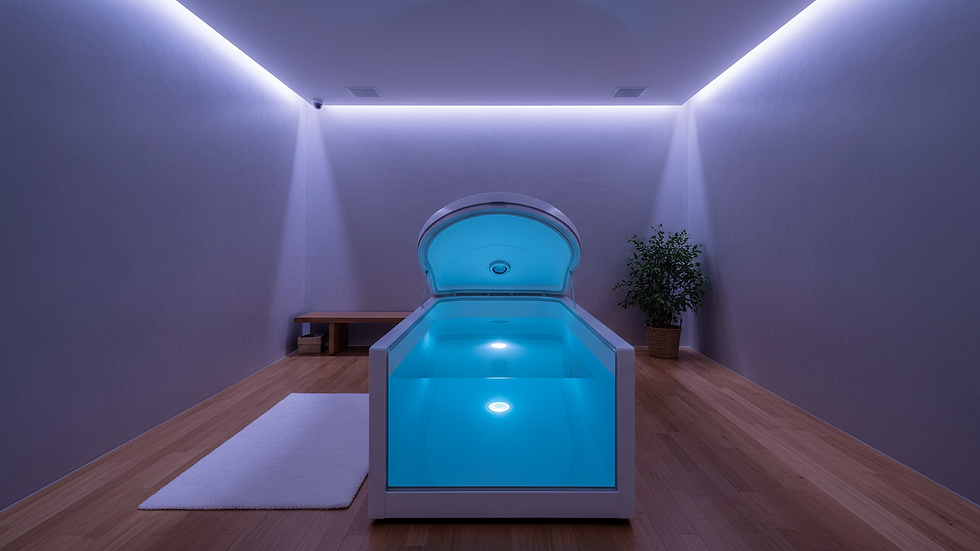
Float therapy, also known as sensory deprivation or isolation tank therapy, involves floating in a tank filled with warm water and Epsom salt. The water is heated to skin temperature, and the high salt content makes you effortlessly buoyant. The tank is designed to block out light and sound, creating a peaceful environment where you can truly disconnect.
Why try it? Well, imagine lying in a quiet, weightless space where your body can relax completely. It’s like hitting the reset button for your nervous system. People report feeling less stressed, less anxious, and more focused after just one session. Plus, it’s great for muscle recovery and pain relief.
Here’s what you can expect from a typical float session:
Deep relaxation: The sensory reduction helps calm your mind.
Pain relief: Epsom salt is rich in magnesium, which can ease muscle tension.
Better sleep: Many users find their sleep quality improves.
Mental clarity: Floating can boost creativity and reduce brain fog.
If you’re wondering whether it’s just a fancy spa trend, think again. Float therapy has been around for decades and is backed by scientific studies showing its benefits for mental and physical health.

Exploring Float Therapy Locations Long Island
Now, let’s talk about where you can experience this on Long Island. The good news? There are several excellent float therapy centers scattered across the island, each offering a peaceful retreat from everyday stress.
When choosing a float center, consider these factors:
Cleanliness and hygiene: The tanks should be spotless and well-maintained.
Privacy: You want a quiet, private space to fully relax.
Additional services: Some places offer massage, infrared saunas, or yoga classes.
Introductory offers: If you’re new, look for discounts or package deals.
Here are a few popular float therapy locations Long Island residents rave about:
Floatopia Wellness Center - Known for its welcoming atmosphere and expert staff, Floatopia offers a variety of float sessions and wellness therapies. They often host special events and have introductory offers to help newcomers get started.
Serene Float Studio - This spot focuses on creating a calming environment with private rooms and soothing music options. They also provide guided meditation sessions during floats.
Island Float Lounge - A modern facility with multiple tanks and additional recovery services like cryotherapy and massage therapy.
Booking a session is usually easy online, and most centers provide detailed instructions on what to expect and how to prepare.
If you want to dive deeper into the options, check out this float therapy long island link for more info and bookings.

Will Insurance Cover Float Therapy?
A common question I get is whether insurance will cover float therapy. The short answer? Usually, no. Float therapy is generally considered a wellness or alternative treatment, so most insurance plans don’t include it.
However, there are exceptions:
If you’re using float therapy as part of a prescribed treatment for chronic pain or PTSD, some insurance providers might offer partial coverage.
Some flexible spending accounts (FSAs) or health savings accounts (HSAs) allow you to use funds for float therapy if it’s recommended by a healthcare professional.
It’s always a good idea to check with your insurance provider before booking a session. You can also ask the float center if they offer any documentation or receipts that might help with reimbursement.
Even without insurance, many people find the cost worth it for the benefits they receive. Plus, many centers offer package deals that reduce the price per session.
How to Prepare for Your First Float Session
If you’re new to float therapy, you might wonder how to get ready. Here are some simple tips to make your first experience smooth and enjoyable:
Avoid caffeine and heavy meals before your session. You want to be relaxed and comfortable.
Shower before entering the tank to keep the water clean.
Don’t shave or wax right before floating to avoid skin irritation from the salt.
Use earplugs if you’re sensitive to water in your ears (most centers provide these).
Wear comfortable clothing to and from the session.
Set an intention for your float - whether it’s relaxation, pain relief, or mental clarity.
During the float, you can choose to keep the lights on or off, and some centers offer guided audio tracks if you prefer. Just remember to breathe deeply and let go of any tension.
What to Expect After Your Float Therapy Session
After your float, you might feel a bit different - in a good way! Many people report feeling:
Calm and centered: Like a mental reset.
Physically lighter: Muscle tension often melts away.
More focused: Your mind feels clearer and sharper.
Better sleep: You might notice improved rest that night.
It’s normal to feel a little relaxed or even sleepy, so take it easy for the rest of the day if you can. Drinking water after your session helps flush out toxins and rehydrates your body.
If you’re dealing with chronic pain or stress, regular float sessions can build up benefits over time. Some people float weekly or monthly as part of their wellness routine.
Why Float Therapy Is Perfect for Stress Relief and Recovery
Let’s be honest - life can be stressful. Between work, family, and everything else, it’s easy to feel overwhelmed. Float therapy offers a simple, drug-free way to hit pause and recharge.
Here’s why it works so well:
Sensory reduction lowers cortisol (the stress hormone).
Magnesium absorption from Epsom salt helps relax muscles and nerves.
Weightlessness takes pressure off joints and spine.
Mindfulness naturally happens when distractions are removed.
Whether you’re recovering from a tough workout, managing anxiety, or just need a break, float therapy can be a game-changer.
If you’re ready to give it a try, Long Island has some fantastic options waiting for you. From cozy studios to full-service wellness centers, you can find the perfect spot to unwind and rejuvenate.
So, why not treat yourself to a float session soon? Your body and mind will thank you.
Happy floating!


Comments