.png)


Understanding the Benefits of Floatation Therapy

Have you ever wished for a way to completely unplug from the chaos of daily life? To just drift away, weightless, free from stress and tension? That’s exactly what floatation therapy offers. I’ve been exploring this unique wellness practice, and I’m excited to share what I’ve learned about how it can help you relax, recover, and recharge.
What Is Floatation Therapy?
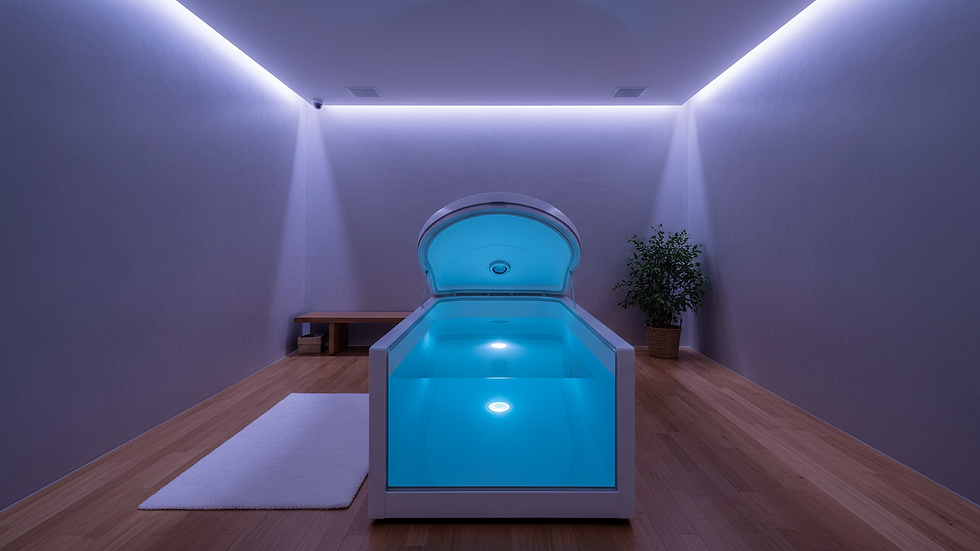
Floatation therapy, sometimes called sensory deprivation therapy, involves lying in a special tank filled with warm water saturated with Epsom salt. The high salt content makes you buoyant, so you effortlessly float on the surface. The tank is designed to block out light and sound, creating an environment free from distractions.
Imagine lying in a quiet, dark space where your body feels weightless. It’s like hitting the pause button on your busy mind and body. The water is kept at skin temperature, so you barely notice it. This setup encourages deep relaxation and a break from sensory overload.

The Benefits of Floating Therapy
So, why should you consider giving floatation therapy a try? The benefits are pretty impressive and cover both mental and physical health. Here’s a quick rundown of what you can expect:
Stress Relief: Floating helps lower cortisol, the stress hormone, which means you feel calmer and more peaceful.
Pain Reduction: The buoyancy takes pressure off joints and muscles, easing chronic pain and speeding up recovery.
Improved Sleep: Many people report better sleep quality after sessions, thanks to the deep relaxation.
Enhanced Creativity and Focus: The sensory reduction can help clear your mind, making it easier to think creatively and concentrate.
Muscle Recovery: Athletes and active folks find floating great for muscle relaxation and faster healing.
What’s really cool is that these benefits come from a natural, drug-free process. You’re simply giving your body and mind a chance to reset.
Is Floatation Therapy Good for You?
You might be wondering if floatation therapy is a good fit for you. The short answer? Most people find it beneficial, but it’s good to know what to expect.
If you’re someone who struggles with anxiety, stress, or muscle pain, floating can be a game-changer. The environment encourages your nervous system to shift into a rest-and-digest mode, which is the opposite of the fight-or-flight response we often get stuck in.
That said, it’s not for everyone. If you have certain medical conditions like severe claustrophobia, epilepsy, or open wounds, you should check with a healthcare provider first. Also, if you’re pregnant or have skin sensitivities, it’s wise to get professional advice before trying it out.
One of the best parts? You don’t need any special skills. Just step in, lie back, and float. The experience is gentle and customizable. You can float for 60 to 90 minutes, or shorter if you prefer. Many places offer introductory sessions to help you get comfortable.
What to Expect During Your First Float
If you’re new to floatation therapy, the idea of stepping into a dark, quiet tank might feel a bit intimidating. But trust me, it’s easier than it sounds. Here’s a simple breakdown of what happens:
Preparation: You’ll shower before entering the tank to keep the water clean.
Getting In: The tank door closes behind you, and you lie down in the warm, salty water.
Floating: You float effortlessly, feeling weightless. The water supports your body, relieving pressure.
Relaxation: With no light or sound, your mind can slow down. Some people meditate, others just enjoy the silence.
Ending the Session: When your time is up, gentle music or light cues signal the end. You shower again and step out feeling refreshed.
Many people say the first float feels like a mini-vacation for the brain. It’s a chance to disconnect and recharge in a way that’s hard to find elsewhere.

How to Make the Most of Your Floatation Experience
To get the best results from your float, here are some tips I’ve picked up:
Go in with an open mind: Don’t expect miracles on your first try. Relax and let the experience unfold naturally.
Avoid caffeine or heavy meals beforehand: You want to be comfortable and calm.
Use the time to meditate or practice mindfulness: The environment is perfect for deep mental relaxation.
Stay hydrated: Drink water before and after your session.
Book multiple sessions: Like many wellness practices, the benefits often increase with regular floats.
If you’re looking for a place to try this out, Floatopia on Long Island offers a welcoming atmosphere and expert guidance. They also host special events and introductory offers, making it easy to dip your toes into the world of floatation therapy.
Why Floatation Therapy Is Gaining Popularity
You might be curious why more and more people are turning to floatation therapy. It’s simple - in today’s fast-paced world, finding true relaxation is tough. Phones, noise, and constant stimulation make it hard to unwind.
Floatation therapy offers a unique escape. It’s a chance to slow down, reduce sensory input, and give your body a break. Plus, it’s backed by growing scientific research showing real benefits for mental health, pain management, and overall wellness.
Whether you’re an athlete, a busy professional, or just someone craving peace, floating can fit into your self-care routine. It’s a natural, effective way to reset and recharge.
If you’re ready to explore the floatation therapy benefits yourself, why not give it a try? You might just find it’s the relaxation method you’ve been searching for.


Comments